


When it comes to making end-of-life decisions for our loved ones, one of the most significant aspects is selecting a final resting place. In Singapore, columbariums have become an increasingly popular option for families, offering a respectful, safe, and manageable way to preserve the ashes of the deceased. But like any decision, there are pros and cons that need to be considered carefully.
In this article, we will explore both the advantages and disadvantages of choosing a columbarium in Singapore to help you make a more informed decision. We’ll also delve into various niche options and discuss some of the common myths surrounding columbariums, ensuring you have all the necessary information at your disposal.
Pros of Choosing a Columbarium
1. Practical and Space-Efficient
Singapore is a densely populated city-state, and land space is at a premium. As such, traditional burial plots are becoming increasingly scarce and expensive. Columbariums offer a more practical solution for families, as they require significantly less space. These structures are designed to maximize space by utilizing vertical storage, which helps accommodate the remains of many individuals within a relatively small footprint.
By choosing a columbarium, families can opt for a space-saving, respectful way to commemorate their loved ones, without the need for sprawling land plots.
2. Lower Cost Compared to Traditional Burial
Traditional burials can be expensive, especially when factoring in the cost of land, headstones, and maintenance over time. In contrast, the cost of securing a niche in a columbarium is typically more affordable. This makes it a more financially feasible option for families who may be concerned about the high costs of burial. Furthermore, columbariums often offer flexible payment plans, allowing families to pay over time if needed.
By understanding columbarium pricing, including the cost breakdown of different niches and services, families can better budget for their decision. This ensures you select the most appropriate and cost-effective option for your loved ones.
3. Maintenance-Free Solution
Once a niche in a columbarium is selected, the family does not have to worry about ongoing maintenance. Unlike grave plots, which require continual upkeep and attention, columbariums are professionally maintained by the facility management. This means there is no need for the family to worry about landscaping, cleaning, or other ongoing maintenance tasks, allowing them to focus on remembering and honouring their loved ones.
4. Central Location and Easy Accessibility
Many columbariums in Singapore are strategically located near key areas, such as religious or cultural landmarks, which makes them easily accessible for family members. Unlike traditional burial sites that may be far from home or in less convenient locations, columbariums are often within reach, allowing for regular visits without the added travel burden.
Moreover, some columbariums offer beautifully designed visitation areas, making the experience of visiting more comfortable for the family.
5. Environmental Considerations
Traditional burial plots can have long-term environmental impacts, such as land use, pesticide application, and the decay of materials like caskets. In contrast, columbariums are considered an environmentally friendly alternative, as they take up less land and are designed to have minimal environmental impact.
If you’re still unsure about which type of columbarium niche suits your needs, understanding the different types of columbarium niches will help you evaluate the best options available.
Cons of Choosing a Columbarium
1. Limited Physical Space for Memorialization
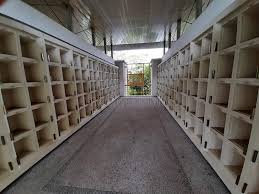
While columbariums offer an efficient way to store cremated remains, one drawback is the limited physical space for memorialization. In comparison to a traditional burial plot where family members can place flowers, personal items, or headstones, columbariums offer limited space for physical tributes. This can be challenging for families who wish to create a more elaborate memorial for their loved ones.
2. Emotional Challenge of Sharing Space
Another downside to columbariums is that niches are shared spaces. While some columbariums offer private niches for individual families, many others feature multiple niches stacked together in large hallways. This can be difficult for families who prefer a more private or intimate space to honour their loved ones.
The shared space also means that families will need to be mindful of others when visiting, which may affect the emotional experience of the visit.
3. Religious and Cultural Considerations
In Singapore, while many religions and cultures accept columbariums as an appropriate final resting place, some may have strong cultural or religious beliefs about traditional burials. Depending on personal beliefs, a family may feel uncomfortable with the idea of using a columbarium, especially if their faith requires a burial to occur in a specific manner or location.
As such, it’s important to consider both cultural and religious preferences before making this decision.
4. Initial Costs and Hidden Fees
While columbariums can be more affordable than traditional burials, the initial cost of securing a niche can still be significant. Additionally, families may encounter hidden fees, such as those related to engraving, plaque installations, and ongoing maintenance, which may not always be fully disclosed upfront. It’s essential to understand all associated costs before making a decision.
5. Limited Availability and Long Waiting Lists
In high-demand areas, especially in urban settings like Singapore, columbariums can have limited availability, especially for specific niches or locations. Some columbariums may have waiting lists, and this could delay your ability to secure a spot for your loved one. The scarcity of available niches in prime locations might also drive up the cost.
Conclusion: Should You Choose a Columbarium?
Deciding whether to choose a columbarium for your loved one is a personal decision that comes with both benefits and drawbacks. It is important to weigh the pros and cons to determine whether this option aligns with your preferences, values, and budget.


