


Hair loss is a struggle that many people face, and finding a treatment that actually works can feel overwhelming. With so many options out there—from medications to transplants—it’s easy to wonder whether anything non-surgical can really make a difference.
That’s where microneedling for hair loss comes in.
Originally used for skin rejuvenation, this treatment has made its way into the world of hair restoration. But does it actually help regrow hair, or is it just another trend? Let’s break it down.
What Exactly Is Microneedling, and How Can It Help with Hair Loss?
Microneedling sounds a little intense at first—after all, it involves puncturing the scalp with tiny needles. But the process isn’t as scary as it seems. The idea is simple: by creating micro-injuries on the skin, the body is triggered to heal itself, boosting collagen production and improving blood flow.
When used on the scalp, microneedling stimulates dormant hair follicles, encouraging them to start growing hair again. It also helps the skin absorb topical treatments like minoxidil (Rogaine) more effectively, making them work even better.
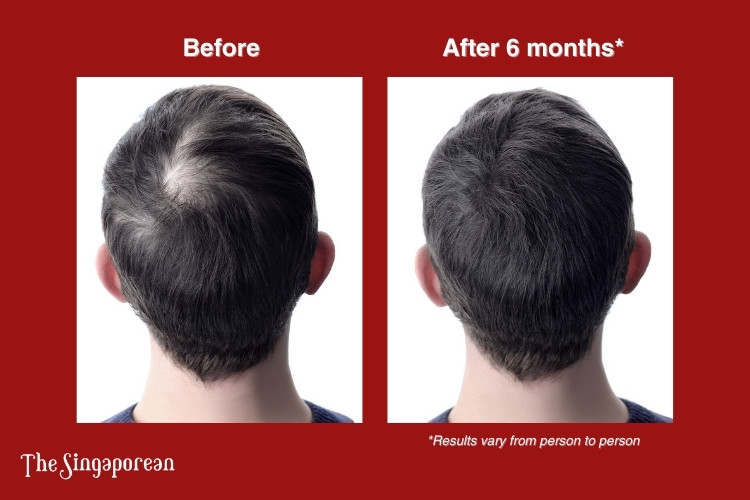
Many people who’ve tried it say they noticed thicker, stronger hair growth after a few months. But, of course, results vary from person to person.
Why Are More People Turning to Microneedling as Hair Loss Treatment?
So, what makes microneedling different from other hair loss treatments? A few key things:
- It’s non-surgical, so there’s no major downtime.
- It’s more affordable than a hair transplant.
- It’s versatile—it can be used alone or combined with treatments like PRP (platelet-rich plasma) therapy.
- It’s been backed by research, with studies showing that microneedling can increase hair regrowth, especially in people with androgenetic alopecia (pattern hair loss).
While it’s not a miracle cure, it’s a promising option for anyone looking to boost hair regrowth without going under the knife.
Who Can Benefit from Microneedling?
Microneedling tends to work best for people dealing with early-stage hair thinning rather than complete baldness. It’s commonly recommended for:
- Men and women with mild to moderate pattern hair loss
- Postpartum hair shedding
- Stress-related hair thinning
- People using minoxidil who want to enhance absorption
On the flip side, if you have advanced hair loss with completely bald areas, microneedling may not be as effective. It can’t revive follicles that are completely dead, which is why it’s important to start early if you’re considering this treatment.
What Happens During a Microneedling Session?
If you’re imagining a painful experience, don’t worry—it’s not as bad as it sounds. Here’s what a typical session looks like:
Before the Procedure
- Your scalp is cleansed to remove oil and product buildup.
- A numbing cream is applied to minimise discomfort.
- If you’re pairing it with PRP therapy, a blood sample will be drawn to extract the platelet-rich plasma.
During the Treatment
- A handheld microneedling device (similar to a derma roller but with finer needles) is gently moved across the scalp.
- The tiny needles create micro-injuries to stimulate healing.
- If PRP or minoxidil is being used, it’s applied immediately to enhance absorption.
After the Treatment
- Your scalp may look red and slightly irritated for a day or two.
- Avoid washing your hair for at least 24 hours.
- Stay away from harsh hair products and direct sun exposure for a few days.
Most people describe the sensation as a mild tingling or prickling feeling, but thanks to the numbing cream, it’s usually quite tolerable.
How Long Before You See Results?
Hair growth doesn’t happen overnight, so patience is key. Typically, noticeable improvements start appearing after three to six months of regular treatments.
For best results, most dermatologists recommend:
- 4 to 6 sessions, spaced about a month apart
- Ongoing maintenance treatments every 3 to 6 months
- Combining microneedling with other treatments, like minoxidil or PRP, for better results
Everyone’s hair grows at a different rate, so don’t panic if progress seems slow—it takes time for follicles to reactivate.
Can You Do Microneedling at Home?
You’ve probably seen derma rollers being sold online for at-home microneedling, but is DIY microneedling a good idea?
While home rollers can help with mild scalp stimulation, they don’t compare to professional treatments. Here’s why:
- Professional microneedling devices reach deeper layers of the scalp, making them more effective.
- At-home rollers have shorter needles, which may not be enough to trigger real hair regrowth.
- Risk of infection is higher if the tool isn’t properly sterilised.
If you’re serious about hair restoration, seeing a specialist is the safer and more effective choice.
Are There Any Side Effects?
Microneedling is generally safe, but minor side effects can include:
- Redness and mild swelling for a day or two
- Scalp tenderness or slight bleeding (rare but possible)
- Increased sensitivity to hair products post-treatment
To avoid complications, always go to a licensed professional rather than attempting the procedure at home.
How Much Does Microneedling Cost in Singapore?
The price varies depending on the clinic and whether additional treatments like PRP therapy are included.
- Standard microneedling session (without PRP): Usually starts at around SGD 159 to SGD 850+ per session
If you’re considering professional treatment, it’s worth researching reputable providers to ensure safe and effective results for hair loss treatment in Singapore.
Final Thoughts: Should You Try Microneedling to Address Hair Loss?
Microneedling has gained a reputation as a promising, non-invasive option for hair regrowth. It may not work for everyone, but for those experiencing early signs of hair loss, it’s worth considering—especially when combined with other treatments like PRP or minoxidil.
If you’re looking for a treatment that’s affordable, non-surgical, and backed by science, microneedling could be a great addition to your hair restoration plan. Just remember:
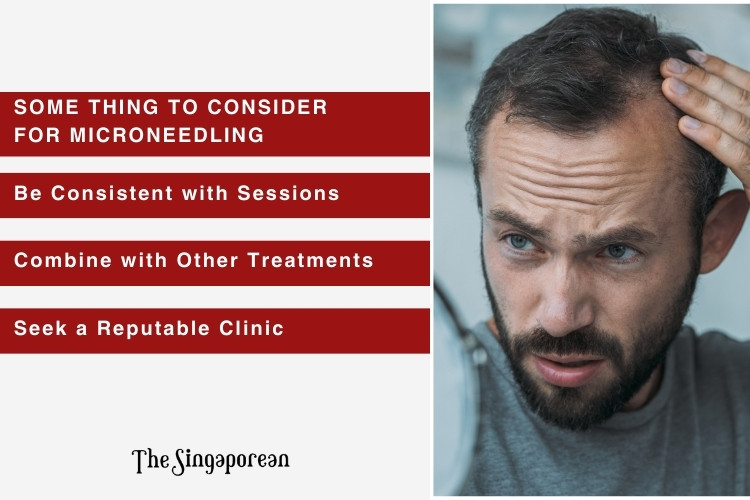
- Be consistent with sessions to see results.
- Combine microneedling with other treatments for better outcomes.
- Seek a reputable clinic to ensure safety and effectiveness.
For a closer look at other hair regrowth options, you may also want to explore different hair restoration techniques and how they compare.


