

Liposuction is often marketed as a quick fix for stubborn fat, a way to sculpt the body when diet and exercise don’t seem to be enough. In Singapore, where medical standards are among the highest in the world, liposuction is a common cosmetic procedure. But while it is generally considered safe, it is not without risks.
Cases of fatal complications, though rare, have occurred, leading to tighter regulations and increased scrutiny of aesthetic procedures. For those thinking about undergoing liposuction, understanding the real risks, the numbers behind fatalities, and the lessons learned from past cases is essential to making an informed decision.
How Safe Is Liposuction? A Look at the Risks
Liposuction works by removing excess fat deposits through suction, usually in areas like the abdomen, thighs, arms, and back. While it is one of the most common cosmetic procedures worldwide, it is still a surgical procedure—meaning there are inherent risks.
Potential Complications of Liposuction
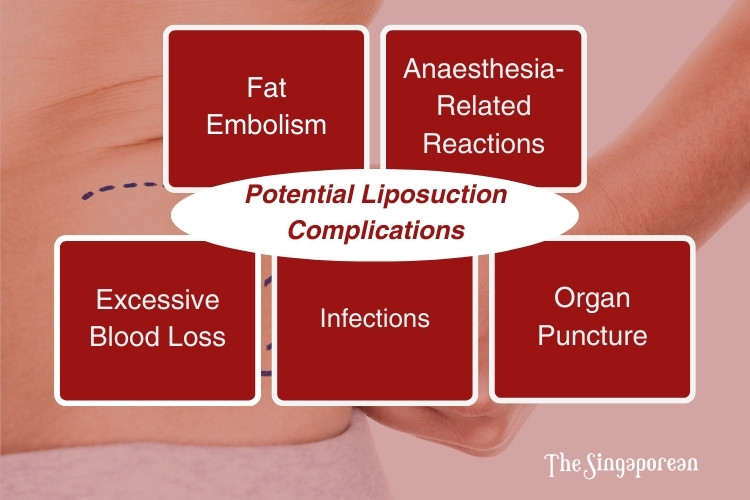
- Fat embolism – One of the most serious risks, this occurs when fat enters the bloodstream and blocks blood flow to critical organs like the lungs or brain.
- Anaesthesia-related reactions – In rare cases, complications from general anaesthesia can lead to breathing difficulties, heart irregularities, or, in extreme situations, cardiac arrest.
- Excessive blood loss – Liposuction removes fat, but if done too aggressively, it can lead to excessive bleeding.
- Infections – Any surgical procedure carries a risk of infection, particularly if aftercare instructions are not properly followed.
- Organ puncture – Though extremely rare, there have been cases where the cannula (the tube used for fat removal) accidentally perforated internal organs.
Most people who undergo liposuction do not experience serious complications, but those who do often fall into higher-risk categories, such as individuals with pre-existing medical conditions or those undergoing large-volume fat removal.
Liposuction in Singapore Death Statistics: What Do the Numbers Say?
Singapore has one of the strictest regulatory environments when it comes to medical procedures, including cosmetic surgery. Because of this, liposuction-related deaths are rare compared to other countries. However, there have been a few high-profile cases that have sparked public concern and regulatory changes.
What We Know from Reported Cases
- Most fatal complications were linked to fat embolism or anaesthesia issues.
- In several cases, procedures were performed in non-accredited clinics that lacked proper emergency response protocols.
- Some deaths occurred due to excessive fat removal, which increases the risk of complications.
- Following these cases, the Ministry of Health (MOH) tightened regulations for liposuction procedures in Singapore.
While the exact number of deaths remains low, each case has led to further improvements in surgical safety standards and patient screening processes.
High-Profile Cases That Changed Liposuction Regulations in Singapore
Several past incidents have led to stricter rules for cosmetic procedures, ensuring that clinics meet the highest safety standards.
Case 1: Fat Embolism Leads to Fatal Outcome
In one well-known case, a woman underwent abdominal liposuction in a private clinic and later passed away due to fat embolism syndrome. Investigations revealed that too much fat was removed in a single session, increasing the risk of complications. Additionally, the clinic lacked the necessary emergency facilities to handle the crisis.
Case 2: Anaesthesia Complications Result in Tragedy
Another case involved a patient who suffered from respiratory failure after receiving a high dose of anaesthesia during liposuction. The clinic’s post-surgical monitoring was found to be inadequate, delaying the emergency response.
As a result of these incidents, new regulations were introduced, ensuring that:
- Liposuction procedures must only be performed in accredited medical facilities.
- Clinics must have emergency response measures in place.
- Stricter limits on the amount of fat that can be removed in a single session were enforced.
How Singapore Has Improved Liposuction Safety
The MOH has implemented several changes in response to past liposuction-related fatalities. Today, cosmetic procedures in Singapore are highly regulated, and clinics must meet strict medical and safety requirements.
Key Regulations That Reduce Risks
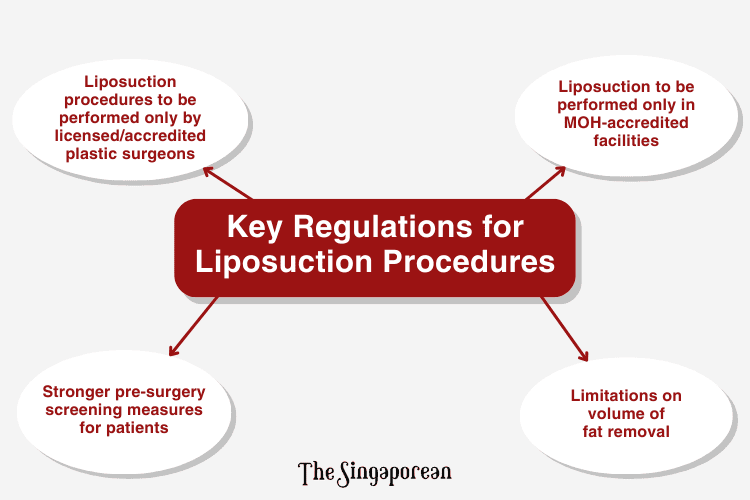
- Only licensed plastic surgeons or accredited doctors can perform liposuction.
- Liposuction must be conducted in MOH-approved facilities with emergency response protocols in place.
- Stronger screening measures ensure that patients with underlying health conditions are properly assessed before undergoing surgery.
- Limitations on fat removal – Large-volume liposuction procedures now require additional approval and monitoring.
Because of these regulations, Singapore remains one of the safest places to undergo aesthetic procedures when performed in a reputable clinic.
How to Reduce Risks If You’re Considering Liposuction
If you’re thinking about getting liposuction, it’s important to take precautionary steps to minimise your risks.
1. Choose a Board-Certified Surgeon
Not all doctors performing liposuction are plastic surgeons. Always check that your doctor is certified, has extensive experience, and operates in an accredited medical facility.
2. Understand Your Own Risk Factors
Certain individuals face higher risks with liposuction, including those who:
- Have heart disease, diabetes, or circulatory disorders
- Are undergoing large-volume fat removal
- Have a history of poor wound healing or excessive bleeding
A qualified doctor should assess your medical history before approving the procedure.
3. Follow Pre- and Post-Operative Care Instructions
Before your surgery:
- Avoid smoking, alcohol, and blood-thinning medications (e.g., aspirin) to reduce bleeding risks.
- Maintain a healthy diet and hydration levels to support recovery.
After your surgery:
- Watch for signs of infection, swelling, or excessive pain, and seek medical attention if needed.
- Follow all post-operative care guidelines to ensure proper healing.
If you’re unsure whether liposuction is right for you, you may want to explore other body contouring options that offer fat reduction without surgery.
Final Thoughts: Is Liposuction Safe in Singapore?
While liposuction-related deaths in Singapore are rare, they have occurred—primarily due to fat embolism, anaesthesia complications, or excessive fat removal. These cases have led to stricter regulations, improved patient screening, and safer surgical environments, making the procedure safer today than ever before.
For those considering liposuction, the most important step is choosing an experienced, board-certified surgeon and undergoing the procedure in a fully accredited medical facility. Understanding the risks, following safety precautions, and considering alternative fat-reduction options are all key to making a well-informed decision.If you’re looking to enhance your body shape beyond liposuction, you might be interested in learning about procedures that can complement surgical body contouring for a more transformative result.


