

Public speaking is often associated with polished speech, clear articulation, and formal language. But in Singapore, where Singlish is a huge part of everyday communication, many people wonder if their natural way of speaking could hold them back. The truth is, Singlish isn’t something to be ashamed of—it’s a cultural asset that, when used wisely, can make you a more engaging and relatable speaker.
While learning standard English is essential in formal settings, embracing Singlish strategically can actually enhance your speaking style rather than hinder it. And if you’re looking to refine your delivery, enrolling in a public speaking class in Singapore can help you strike the perfect balance between professionalism and authenticity.
Singlish is More Than Just Broken English
Before diving into how Singlish affects public speaking, let’s clarify one thing—Singlish is not “bad English.” It’s a unique creole language that blends English with elements of Malay, Hokkien, Cantonese, Tamil, and other dialects. It has its own grammar, rhythm, and expressions that make conversations more colorful and efficient.
For many Singaporeans, Singlish is a core part of their identity. It’s how people build rapport, crack jokes, and create a sense of belonging. When used appropriately, Singlish can add warmth and personality to public speaking, making the speaker more relatable to local audiences.
The Perceived Downsides of Singlish in Public Speaking
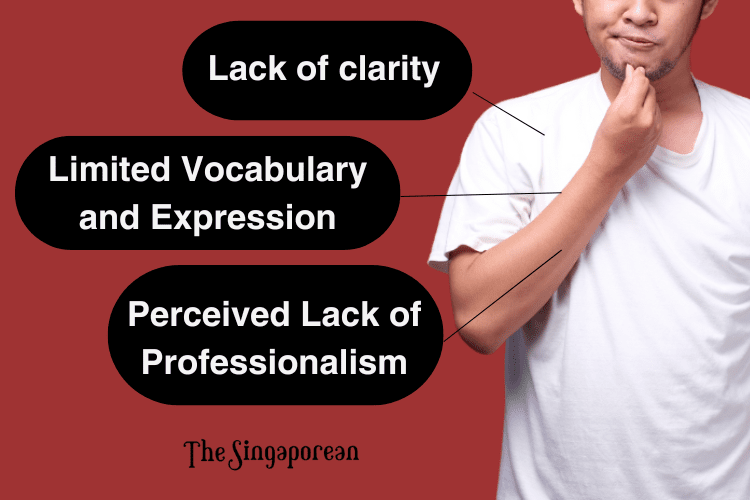
Despite its cultural significance, Singlish is often seen as a barrier to effective public speaking. Here are some common concerns:
1. Lack of Clarity
Singlish has a distinct rhythm and sentence structure that differs from standard English. Phrases like “You go where?” instead of “Where are you going?” or “Can meh?” instead of “Are you sure?” can be confusing to non-Singlish speakers. If your audience includes foreigners, excessive Singlish might make it harder for them to understand your message.
2. Perceived Lack of Professionalism
In corporate or formal settings, using too much Singlish might make you appear less polished. Some people associate Singlish with informality and casual conversations rather than serious business discussions or speeches.
3. Limited Vocabulary and Expression
Singlish is incredibly expressive, but it sometimes relies on a limited range of words and phrases. If a speaker relies solely on Singlish without expanding their vocabulary, their ability to express complex ideas eloquently may be restricted.
How Singlish Can Enhance Public Speaking
While Singlish has its challenges, it also has strengths that can make public speaking more engaging and authentic. Here’s how:
1. Helps You Connect with Local Audiences
One of the golden rules of public speaking is to connect with your audience. If you’re speaking to a crowd of Singaporeans, using bits of Singlish can help build rapport. It signals that you are one of them and understand their culture and humor.
2. Makes Your Speech More Engaging
Singlish has an informal, rhythmic style that makes conversations lively. When used in moderation, it can add humor, emotion, and personality to your speech, making it more enjoyable for the audience.
3. Enhances Storytelling
Good storytelling is a powerful public speaking tool. Many Singlish expressions are great for telling stories in a fun and relatable way. A well-timed “Wah, very jialat!” or “Alamak, how like that?” can add dramatic effect and make stories more memorable.
4. Breaks Down Formality and Nervousness
If you’re nervous about public speaking, sprinkling in some Singlish can make you feel more natural and at ease. Instead of sounding like you’re reciting a script, your speech will flow more like a genuine conversation.
How to Use Singlish Effectively in Public Speaking
Rather than avoiding Singlish completely, the key is to use it strategically. Here’s how:
1. Know Your Audience
The biggest factor in deciding whether to use Singlish is your audience. If you’re speaking at an international conference, keeping your language formal and clear is best. But if you’re addressing a local crowd at a community event, a touch of Singlish can make you more relatable.
2. Use It Sparingly
Too much Singlish can dilute your message. Instead of using it in every sentence, sprinkle it in naturally where it adds humor or emphasis. Think of it like seasoning—just enough makes the dish flavorful, but too much can overpower it.
3. Mix It with Standard English
The best speakers know how to switch between standard English and Singlish seamlessly. You can deliver your main points in clear, proper English while adding Singlish phrases for humor or engagement.
For example:
- Standard English: “I was shocked when I saw the bill.”
- With Singlish: “Wah, see the bill I also pengsan!”
The combination keeps your speech clear while adding personality.
4. Don’t Let It Affect Pronunciation and Grammar
Even if you use Singlish, make sure your pronunciation is still clear and professional. Avoid slurring words or using incorrect grammar when speaking in standard English. Your goal is to enhance your speech, not make it harder to understand.
5. Practice Code-Switching
Being able to switch between Singlish and standard English depending on the context is a valuable skill. Practice adjusting your speaking style based on who you’re talking to. This way, you can be both professional and relatable when needed.
Singlish Can Be a Strength, Not a Weakness
Singlish doesn’t have to be a disadvantage—it can be an asset when used in the right way. Here are some situations where Singlish can work to your advantage:
- Local Business Talks or Community Events – Adding Singlish makes you more engaging and relatable to a Singaporean audience.
- Casual or Motivational Speeches – Singlish can make your speech sound more natural and heartfelt.
- Comedy or Lighthearted Talks – The expressive nature of Singlish makes it great for humor and storytelling.
On the other hand, if you’re presenting a formal report, delivering a keynote at an international conference, or addressing a highly professional audience, it’s best to keep your language polished and professional.
Conclusion
Singlish is a big part of Singaporean culture, and there’s no need to erase it completely from your speech. Instead of seeing it as a flaw, think of it as a tool that you can use to your advantage. The key is knowing when and how to use it effectively. By striking the right balance between Singlish and standard English, you can be a confident, engaging speaker who connects effortlessly with different audiences.


